
Follow our official WeChat account…… Daily sharing to accompany the growth of TCM practitioners
From the moment a person is born, they begin to consume energy daily, primarily referring to the innate essence of kidney qi. This essence is like a gas tank that diminishes with use. Therefore, in this sense, compared to the absolute value at birth, “deficiency” is absolute, while “non-deficiency” is relative.
1. Types of Deficiency: Qi Deficiency, Blood Deficiency, Yin Deficiency, and Yang Deficiency
1 Qi Deficiency:
Qi deficiency refers to a state where a person feels a lack of energy, both physically and mentally, leading to fatigue with minimal exertion. The body’s immune function and disease resistance are relatively low. The main manifestations of qi deficiency include: shortness of breath, low energy, a weak voice, shortness of breath upon exertion, easy sweating, dizziness, palpitations, pale complexion, poor appetite, signs of internal heat, spontaneous sweating, prolapse of the rectum, uterine prolapse, a pale and swollen tongue with tooth marks on the sides, and a weak pulse. Qi deficiency does not necessarily indicate illness; those with qi deficiency need to tonify qi, using herbs such as Ren Shen (Ginseng), Huang Qi (Astragalus), and Dang Shen (Codonopsis).

Qi Deficiency includes deficiency of the five organs:
Lung Qi Deficiency: The lungs govern qi, control respiration, and connect with the skin and hair, regulating water pathways. Lung qi deficiency weakens its functions of dispersing and descending, regulating water metabolism, and resisting external pathogens, leading to symptoms such as shortness of breath, spontaneous sweating, a weak voice, cough, chest tightness, susceptibility to colds, and even edema and difficulty urinating.
Kidney Qi Deficiency: The kidneys reside in the lower back, store essence, and control the opening and closing of the two yin. Essence nourishes the five organs and supports the brain and marrow. Kidney qi deficiency leads to insufficient nourishment, resulting in fatigue, dizziness, forgetfulness, weakness in the lower back and knees, frequent clear urination, thin white discharge, a pale tongue, and a weak pulse. If the kidneys do not receive qi, breathing becomes shallow and rapid.
Spleen Qi Deficiency: The spleen is located in the middle jiao, governs transformation and transportation, and controls blood circulation. Spleen qi deficiency weakens its ability to transform food and fluids, leading to insufficient production of qi and blood, with symptoms such as reduced appetite, discomfort after eating, fatigue, weight loss, loose stools, pale complexion, a pale tongue with thin coating, and a weak pulse.

Heart Qi Deficiency: The heart governs blood vessels and houses the spirit. Heart qi deficiency fails to promote blood circulation and nourish the spirit, leading to symptoms such as palpitations, shortness of breath, excessive sweating, fatigue, a pale tongue, and a weak pulse.
Foods to Tonify Qi: Beef, chicken, pork, glutinous rice, soybeans, white lentils, jujubes, crucian carp, carp, quail, yellow eel, shrimp, mushrooms, etc. can be alternated regularly.
Foods to Avoid for Qi Deficiency: Hawthorn, bergamot, betel nut, garlic, radish greens, coriander (cilantro), turnip, pepper, cardamom, middle finger, perilla leaves, mint, lotus leaves;
Foods to Limit: Buckwheat, pomelo, tangerine, kumquat, kumquat cake, orange, water chestnut, raw radish, earthworm, mustard greens, garlic chives, jundacai, sand cardamom, chrysanthemum, tea leaves, and tobacco.
Recommended Dishes: Huai Shan (Chinese yam) and lily seed soup; ginseng and medicinal pigeon stew; five-spice beef; peanut and jujube braised pig trotters;
2 Blood Deficiency:
The main manifestations of blood deficiency include: pale yellow complexion, pale lips and nails, dizziness, fatigue, blurred vision, palpitations, insomnia with vivid dreams, dry stools, irregular menstrual cycles in women, pale tongue, slippery tongue coating with little moisture, and a thin weak pulse. To tonify blood, one should use methods that nourish and generate blood, with herbs such as Dang Gui (Angelica), E Jiao (Donkey-hide gelatin), Shu Di Huang (Rehmannia), and Sang Shen (Mulberry fruit).

Causes of Blood Deficiency:
Excessive Blood Loss: Excessive blood loss due to trauma, heavy menstruation, or chronic bleeding can lead to blood deficiency. Prolonged bleeding can cause blood stasis, obstructing the vessels, which can lead to further bleeding and affect the generation of new blood, exacerbating blood deficiency.
Dietary Irregularities: Overeating, irregular eating patterns, picky eating, and malnutrition can damage the spleen and stomach, preventing the transformation of food into essence, leading to blood deficiency.
Chronic Consumption: Excessive labor, major illnesses, prolonged illnesses, or excessive sweating, vomiting, and diarrhea can deplete qi and blood, leading to blood deficiency. Overexertion can damage qi and blood, leading to deficiency; excessive mental strain can deplete yin blood, resulting in heart blood deficiency, all of which can lead to blood deficiency.
Foods to Tonify Blood: Black-boned chicken, black sesame, walnut meat, longan meat, chicken, pig’s blood, pig liver, brown sugar, red beans, etc. can be alternated regularly.
Foods to Avoid for Blood Deficiency: Water chestnut, garlic;
Recommended Dishes: Dang Gui and Shu Di black-boned chicken, Huai Shan beef brisket stew, Huai Ju and fish, rose and Huai Ju drink;
Foods to Limit: Seaweed, grass cardamom, lotus leaves, white wine, mint, chrysanthemum, betel nut, raw radish, etc.
3 Yin Deficiency:
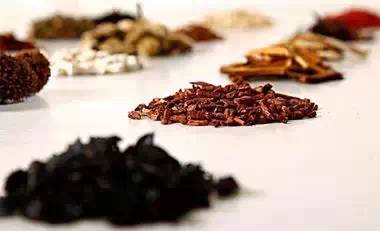
Also known as Yin deficiency with excess heat, commonly referred to as “empty heat,” the main manifestations of yin deficiency include: fear of heat, irritability, flushed cheeks, dry mouth and throat, dry stools, short and yellow urine, a red tongue with little moisture, five palms (the palms of both hands, soles of both feet, and the top of the head) feeling hot, night sweats, lower back and back pain, nocturnal emissions, a red tongue, thin or peeled coating, and a thin rapid pulse. To tonify yin, one should use methods that nourish and support yin, with herbs such as Sheng Di Huang (Raw Rehmannia), Mai Dong (Ophiopogon), Yu Zhu (Polygonatum), pearl powder, tremella, Cordyceps, Dendrobium, and tortoise shell.
Overall Characteristics of Yin Deficiency: Characterized by a deficiency of yin fluids, with dry mouth and throat, and heat sensations in the palms and soles.
Physical Characteristics: Generally lean body type.
Common Manifestations: Hot palms and soles, dry mouth and throat, slightly dry nose, preference for cold drinks, dry stools, red tongue with little moisture, and thin rapid pulse.
Psychological Characteristics: Impulsive temperament, extroverted, active, and lively.
Disease Tendencies: Prone to conditions such as deficiency fatigue, sperm loss, and insomnia; susceptible to pathogens and prone to heat transformation.

Adaptability to External Environment: Tolerant of winter but intolerant of summer; cannot withstand heat, dryness, or pathogenic factors.
Foods to Tonify Yin: Soft-shelled turtle, bird’s nest, lily, duck meat, black fish, jellyfish, lotus root, enoki mushrooms, goji leaves, water chestnuts, etc. can be alternated regularly.
Foods to Avoid for Yin Deficiency: Pepper, cinnamon;
Foods to Limit: Dog meat (for patients with cerebrovascular diseases), lamb (for hepatitis patients), sparrow meat, seahorse, sea dragon, deer meat, crispy rice, fried peanuts, fried soybeans, popcorn, lychee, longan, bergamot, bayberry, garlic, chives, mustard greens, chili, garlic chives, ginger, cardamom, betel nut, grass cardamom, clove, mint, white wine, cigarettes, red ginseng, cistanche, and cynomorium.
Recommended Dishes: Sea horse and chicken soup; three kidneys and chicken soup; chives and shrimp stir-fry; stir-fried kidney flowers;
4 Yang Deficiency:
Also known as Yang deficiency with diminished fire, this is a further development of qi deficiency. The main manifestations of yang deficiency include: in addition to symptoms of qi deficiency, there is a fear of cold, cold extremities, preference for hot drinks, often low body temperature, weakness in the lower back and legs, impotence, premature ejaculation, cold pain in the lower abdomen, fatigue, difficulty urinating, pale and swollen tongue, white coating, and a deep thin pulse. To tonify yang, one should use methods that warm and support yang, with herbs such as Hong Shen (Red Ginseng), Lu Rong (Deer Antler), Du Zhong (Eucommia), Cordyceps, cinnamon, and seahorse.

Foods to Tonify Yang: Yellow beef, dog meat, lamb, bull penis, sea cucumber, mussels, walnut meat, longan, quail, eel, shrimp, chives, cinnamon, and fennel can be alternated regularly.
Foods to Avoid for Yang Deficiency: Duck meat, rabbit meat, otter meat (water dog meat), sweet melon;
Foods to Limit: Duck blood, duck eggs, E Jiao, milk, yogurt, soft-shelled turtle, crab, field snail, snail meat, clam meat, conch meat, persimmon, dried persimmon, pomelo, tangerine, banana, fig, watermelon, green bitter melon, sweet potato, vegetable melon, raw lotus root, raw radish, loofah, winter melon, seaweed, earth ear, enoki mushrooms, straw mushrooms, jundacai, monk fruit, water chestnut, chrysanthemum brain, mint, honeysuckle, chrysanthemum, and sophora flowers.
Recommended Dishes: Seahorse and chicken soup; three kidneys and chicken soup; chives and shrimp stir-fry; stir-fried kidney flowers;
5 Dual Deficiency:
Individuals with deficiency often exhibit dual deficiency, which can manifest in the following ways:
Qi and Yin Dual Deficiency: Exhibiting both qi deficiency and yin deficiency, the main manifestations include: symptoms of qi deficiency such as dizziness, fatigue, and weakness in the legs, along with symptoms of yin deficiency such as heat signs, dry throat, and red tongue, without chronic disease. This constitution is termed qi and yin dual deficiency, and tonification should consider both qi and yin.
Yin and Yang Dual Deficiency: Exhibiting both yin deficiency and yang deficiency, termed yin and yang dual deficiency, the main manifestations include: fear of cold and heat, particularly sensitive to cold in winter and heat in summer, indicating an imbalance of yin and yang. Tonification should involve both yin and yang support.
Qi and Blood Dual Deficiency: Qi and blood dual deficiency generally occurs in conditions such as anemia, leukopenia, thrombocytopenia, after significant blood loss, or in women with heavy menstruation. The main manifestations include: symptoms of both qi deficiency and blood deficiency, and tonification should involve methods that benefit both qi and blood.
Recommended Dishes: Qi and blood: crucian carp and tofu soup; qi and blood dual tonification soup; medicinal chicken;
2. Foods that Tonify Qi: Foods that benefit spleen qi, lung qi, heart qi, etc. are suitable for alleviating or improving qi deficiency symptoms. Here, we mainly introduce foods that tonify spleen qi. When using qi tonifying foods, they can sometimes cause qi stagnation, leading to symptoms such as chest tightness, abdominal bloating, and loss of appetite; therefore, it is advisable to combine them with qi-regulating foods such as tangerine peel and sand cardamom.
Potato (sweet potato, yam) is sweet and neutral.
Function: Tonifies qi and strengthens the spleen. Suitable for those with spleen deficiency, poor appetite, and digestive issues. Sprouted potatoes and their skins are toxic and should be avoided.
Sweet Potato (sweet potato, yam) is sweet and neutral, entering the spleen and stomach channels.
Function: Tonifies the spleen and stomach, boosts energy, and relieves constipation. Suitable for those with spleen and stomach weakness, thinness, fatigue, and diarrhea. Overeating can lead to acid reflux and gastrointestinal bloating.
Shiitake Mushroom is sweet and neutral.
Function: Benefits stomach qi and alleviates rashes. Suitable for those with spleen and stomach weakness, poor appetite, and fatigue. It is a food that can provoke conditions, so it should be avoided in cases of measles, skin diseases, and allergies.
Yam is sweet and neutral, entering the spleen, lung, and kidney channels.
Function: Tonifies qi, strengthens the spleen, nourishes yin, benefits the lungs, and secures essence. Suitable for those with spleen qi deficiency, poor appetite, and chronic diarrhea. Those with excessive dampness and qi stagnation should avoid it.
Chestnut is sweet and warm, entering the spleen, stomach, and kidney channels.
Function: Tonifies the spleen, strengthens the stomach, nourishes the kidneys, and invigorates blood. Suitable for those with spleen deficiency, poor appetite, and diarrhea. Those with qi stagnation and abdominal bloating should avoid it.
Jujube (red date) is sweet and warm, entering the spleen and stomach channels.
Function: Tonifies the spleen and stomach, nourishes blood, and calms the spirit. Suitable for those with spleen and stomach weakness, poor appetite, and fatigue. Those with qi stagnation, damp-heat, and constipation should avoid it.
Chicken is sweet and warm, entering the spleen and stomach channels.
Function: Tonifies the middle and benefits qi, replenishes essence and marrow. Suitable for those with spleen and stomach weakness, fatigue, and poor appetite, and chronic diarrhea. Those with excess conditions, heat conditions, sores, and after measles should avoid it.
Rabbit meat is sweet and cool.
Function: Tonifies the middle and benefits qi, cools blood and detoxifies. Suitable for those with spleen deficiency, blood heat, vomiting due to stomach heat, and constipation. Those with deficiency-cold and diarrhea should avoid it.
Pig Stomach (pig stomach) is sweet and warm.
Function: Tonifies the spleen and stomach. Suitable for weakness, diarrhea, and is used in modern times for gastric prolapse and peptic ulcers.
Beef Stomach (beef tripe) is sweet and warm.
Function: Benefits the spleen and stomach, nourishes the five organs. Suitable for post-illness qi deficiency, spleen and stomach weakness, and digestive issues.
Lamb Stomach (lamb stomach) is sweet and warm.
Function: Tonifies weakness and benefits the spleen and stomach. Suitable for those who are thin and weak, and have cold spleen and stomach.
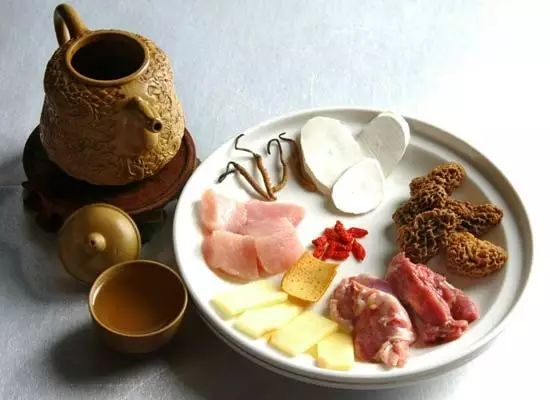
Beef is sweet and neutral, entering the spleen and stomach channels.
Function: Tonifies the spleen and stomach, benefits qi and blood, strengthens bones. Suitable for those with spleen and stomach weakness, poor appetite, and chronic diarrhea.
Guiyu (sweet fish) is sweet and neutral, entering the spleen and stomach channels.
Function: Tonifies the spleen and stomach, benefits qi and blood. Suitable for those with spleen and stomach weakness and poor appetite. Those with cold deficiency and damp-heat should avoid it.
Loach is sweet and neutral, entering the spleen and lung channels.
Function: Tonifies the middle and benefits qi, promotes urination and dispels dampness. Suitable for those with insufficient middle qi, diarrhea, and prolapse of the rectum.
Japonica Rice (white rice) is sweet and neutral, entering the spleen and stomach channels.
Function: Tonifies the middle and benefits qi, strengthens the spleen and harmonizes the stomach. Suitable for those with insufficient middle qi, fatigue, poor appetite, and diarrhea.
Indica Rice is sweet and warm, entering the lung, spleen, and heart channels.
Function: Tonifies the spleen and stomach, nourishes the five organs. Suitable for those with spleen deficiency and dampness leading to diarrhea. Those with heat conditions, damp-heat conditions, and yin deficiency should avoid it.
Glutinous Rice (sweet rice) is sweet and warm, entering the spleen, stomach, and lung channels.
Function: Tonifies the middle and benefits qi, nourishes the lungs and restrains sweating. Suitable for those with spleen deficiency and diarrhea, and is used in modern times for chronic gastritis and peptic ulcers. It is sticky and difficult to digest, so those with food accumulation, qi stagnation, dampness, spleen deficiency, and digestive issues should avoid it.
Broad Beans are sweet and slightly warm, entering the spleen and stomach channels.
Function: Strengthens the spleen, transforms dampness, and clears heat. Suitable for those with spleen deficiency and dampness, poor appetite, and summer heat vomiting and diarrhea. Those with qi stagnation and abdominal bloating should avoid it.
Cowpeas are sweet and neutral, entering the spleen and kidney channels.
Function: Strengthens the spleen and nourishes the kidneys. Suitable for those with spleen and stomach weakness, diarrhea, and vomiting. Those with qi stagnation and constipation should avoid it.
Honey is sweet and neutral, entering the spleen, lung, and large intestine channels.
Function: Tonifies the spleen, alleviates urgency, moistens the lungs, stops cough, and moistens the intestines to relieve constipation. Suitable for those with spleen and stomach weakness, stomach pain, fluid deficiency, and constipation, and is used in modern times for peptic ulcers. Those with dampness, damp-heat, abdominal bloating, vomiting, and diarrhea should avoid it; it should not be eaten with scallions or lettuce.
3. Four Different Dietary Supplementation Methods Based on Different Constitutions:
Balanced Supplementation: Suitable for both healthy individuals and patients. Helps maintain health and life: such as grains, legumes, dairy, fruits, and vegetables. These foods have a neutral nature and can be consumed by women with yin deficiency, yang deficiency, qi deficiency, and blood deficiency.
Warming Supplementation: Refers to foods with warming properties, such as beef, lamb, yellow eel, sweet foods, jujubes, longan, lychee, and spicy foods like scallions and ginger. Women who are sensitive to cold in winter can consume these foods to help generate warmth and improve their cold sensitivity, thereby enhancing their constitution.
Cooling Supplementation: Refers to foods with cooling properties, such as pears, raw lotus root, celery, lily, mung beans, cucumbers, soft-shelled turtles, and snails, which have a cooling effect.
Warming Dispersion: Refers to spicy and warming foods, such as chili, cinnamon, mustard, coriander, and pepper. These foods have warming and dispersing effects, commonly used in cold winters to ward off cold and dispel dampness.
4. Women’s Supplementation Should Start with Adjustment: Harmonizing the internal and external balance of the body to maintain a state of smooth qi and blood flow, and then determine whether supplementation is needed based on the situation.
Women’s physiological characteristics differ from men; women value blood, and the key to supplementation lies in regulating blood, but it should be based on different situations and patterns.
Qi Deficiency in Women
Women with qi deficiency often present with weak complexion, pale skin, fatigue, excessive white discharge, and irregular menstrual cycles.
Supplementation Tips: Use some qi tonifying herbs for adjustment, such as Ren Shen (Ginseng), Huang Qi (Astragalus), Bai Zhu (Atractylodes), and jujubes, to stew with chicken or ribs to tonify qi. When using Ren Shen for supplementation at home, it is essential to be cautious, using small doses and short courses, and it is best to consult a doctor before use. Women with qi deficiency should consume foods that tonify qi, such as radishes, jujubes, and rib soup, especially in autumn and winter; for herbal supplementation, they can drink the “Four Gentlemen Decoction” made with Huang Qi, Ren Shen, Bai Zhu, and Gan Cao (Licorice).
Blood Deficiency or Anemia in Women
Most women experience symptoms of blood deficiency, such as frequent dizziness, blurred vision, dull complexion, insomnia, vivid dreams, and irregular menstruation. Those with blood deficiency often have a weak physique and poor health.
Supplementation Tips: Regularly consume blood-nourishing foods such as spinach, black beans, carrots, daylilies, lotus root, black fungus, chicken, pork, lamb, and sea cucumber; fruits can include mulberries, grapes, jujubes, and longan. Additionally, herbal supplementation can be combined, with commonly used blood-nourishing herbs including Dang Gui, saffron, Shu Di, Chuan Xiong, Bai Shao, and E Jiao. These herbs can be used to make delicious medicinal dishes, such as Dang Gui and ginger lamb soup, E Jiao stewed with yellow wine, and Four Substance Chicken Soup, all of which have excellent blood-nourishing effects.
For women with irregular menstruation or heavy menstrual flow, herbs such as Ren Shen, Dang Gui, Chuan Xiong, and Huang Qi can be selected, as well as traditional Chinese medicines like Wu Ji Bai Feng Wan and E Jiao blood tonic. In daily life, consume more sea cucumber, fish, shrimp, jujubes, kiwi, grapes, longan, sesame, and spinach.
Cold Sensitivity in Women
In cold seasons, many women feel cold all over, especially in the extremities. This is even more pronounced in menopausal women, who are particularly sensitive to cold in winter, a condition known as cold sensitivity in medicine.

Supplementation Tips: Women who are sensitive to cold should consume more warming foods such as lamb, beef, dog meat, chicken, quail, garlic, chili, ginger, coriander, onions, longan, and chestnuts, which help ward off the cold. They should also eat more iodine-rich foods such as kelp, jellyfish, seawater fish, and shrimp skins. It is essential to engage in suitable physical exercise, especially for women who sit or stand for long periods; they should pay attention to physical activity and do more exercises for their hands, feet, and waist.
7. Human Deficiency Syndromes Can Be Summarized into Four Types: Qi Deficiency, Yang Deficiency, Blood Deficiency, and Yin Deficiency. Based on the different types of deficiency syndromes, appropriate tonifying herbs should be selected.
Pathologically, qi deficiency and yang deficiency generally refer to the decline of organ function and reduced disease resistance. Qi is energy, so qi deficiency indicates a simple decline in function, while yang deficiency is a further development of qi deficiency (functional decline) with a reduction in yang energy, including metabolic disorders and pathological reactions due to yang deficiency leading to internal cold. Therefore, yang deficiency includes qi deficiency, but qi deficiency does not necessarily indicate yang deficiency; qi deficiency can develop into yang deficiency.
Blood deficiency and yin deficiency refer to the loss and deficiency of the body’s material components. Blood deficiency indicates a simple lack of blood, such as anemia, or conditions with anemia symptoms but normal hemoglobin levels, while yin deficiency refers to a systemic deficiency of yin fluids (body fluids), including blood deficiency, and the inability of yin to restrain yang, leading to internal heat and functional hyperactivity.
However, in the process of life activities, qi, blood, yin, and yang are interdependent and influence each other. Generally speaking, qi deficiency and yang deficiency indicate a decline in the body’s activity capacity, with yang deficiency often accompanying qi deficiency, and qi deficiency can easily lead to yang deficiency; yin deficiency and blood deficiency indicate the consumption of the body’s essence, with yin deficiency often accompanying blood deficiency, and blood deficiency can easily lead to yin deficiency.

Therefore, qi and blood dual deficiency, as well as yin and yang dual deficiency, are also common syndromes. Treatment should involve the use of both qi tonifying and blood tonifying herbs, as well as yin tonifying and yang tonifying herbs, known as the methods of dual tonification of qi and blood, and dual tonification of yin and yang. Additionally, qi can generate blood and fluids, so qi deficiency and insufficient yin fluids are often treated with a combination of qi tonifying herbs and blood tonifying or yin tonifying herbs, i.e., tonifying qi to generate blood and benefit fluids.
In summary, yin deficiency, yang deficiency, qi deficiency, and blood deficiency can be summarized with four words: heat, cold, laziness, and pallor. In fact, all deficiencies are related to blocked meridians; as long as we clear the body’s pathways, qi and blood can flow smoothly, and various deficiency syndromes will be balanced.
—— Recommended Reading ——

Note: The various prescriptions and remedies mentioned in this article are for reference and study by professional TCM practitioners only and should not be used as prescriptions. Please do not use them blindly; this platform does not bear any responsibility for any consequences arising from this!
Copyright Statement: We emphasize sharing; articles and images are sourced from the internet, and copyright belongs to the original authors. If there are any objections, please inform the editor, and we will delete them promptly.
 Previous Popular Articles Recommended:
※ Click → Classification of Pulse and Main Diseases
※ Click → 【Dr. Zhou】 What diseases can acupuncture treat? And who is not suitable for acupuncture?

※ Click → (In-depth article) The Power of Not Complaining
※ Click → Women who do not expel cold will inevitably have a belly!